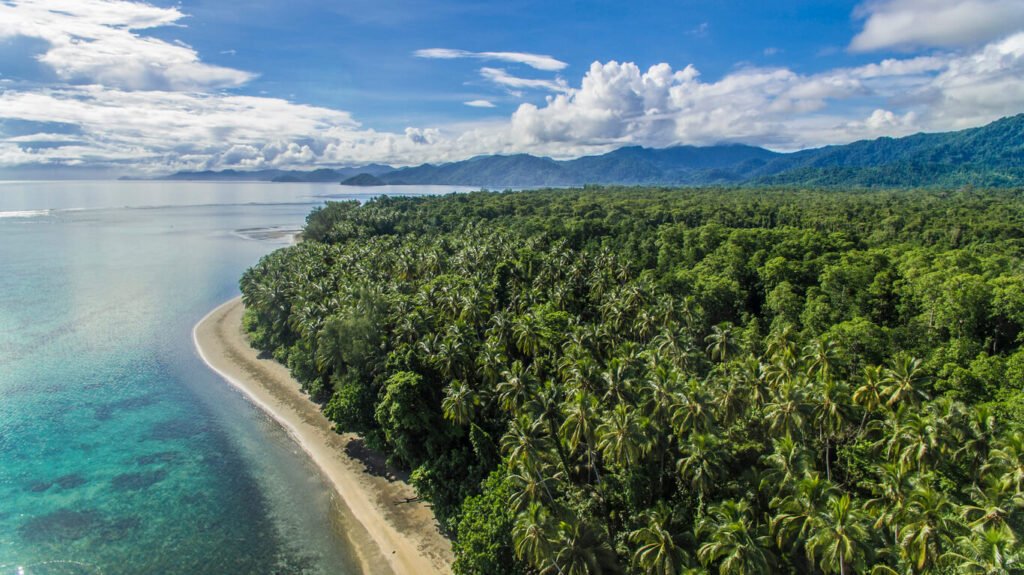
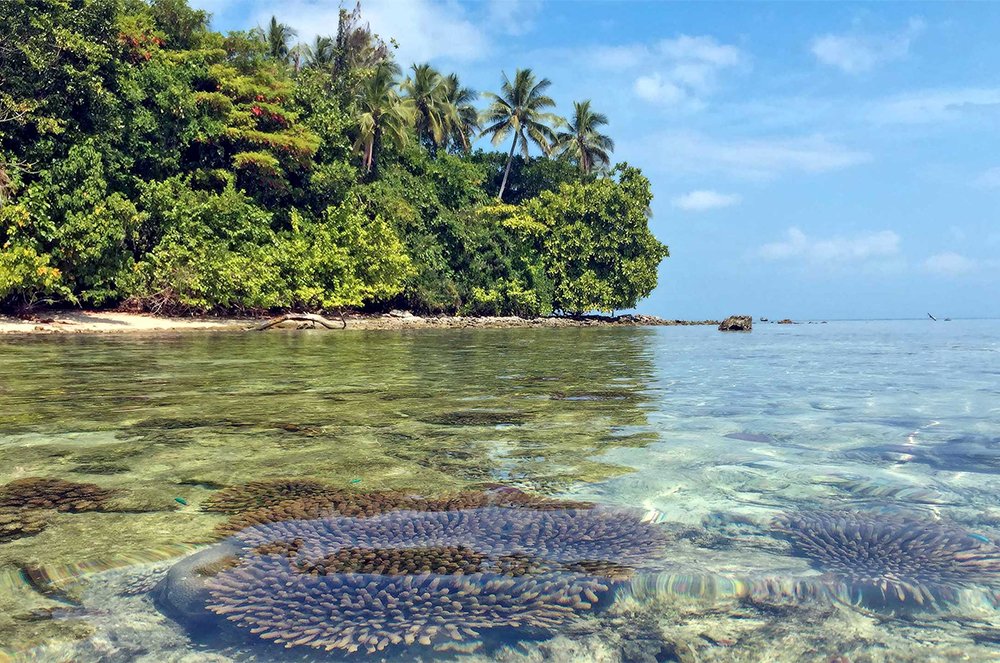
The Solomon Islands is an island nation in western Oceania, east of New Guinea, and a member of the Commonwealth of Nations. The country comprises the eastern part of the archipelago of the same name. It includes the atolls of Rennell and Ontong Java, as well as the Santa Cruz, Duff, and Reef Islands, among others.
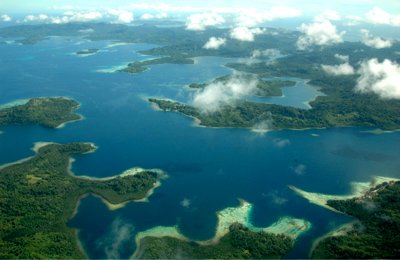
Geography. The Solomon Islands archipelago forms a southeastward extension of the Bismarck Archipelago. The largest islands include Guadalcanal (6,470 km²), Santa Isabel (4,660 km²), Malaita (4,070 km²), San Cristóbal (3,048 km²), Choiseul (2,540 km²), and New Georgia (1,761 km²). The islands are mountainous and of volcanic origin. The highest peak is Mount Popomanaseu (2,381 m above sea level), located on Guadalcanal. The climate is equatorial—hot and humid—though tempered by sea breezes. High temperatures and heavy rains occur during the monsoon season (November to April). Average air temperatures and precipitation levels for the capital are: 28.9°C and 325 mm in January, and 27.8°C and 84 mm in July. Equatorial forests constitute the natural vegetation. The fauna includes numerous bird species and an endemic iguana.
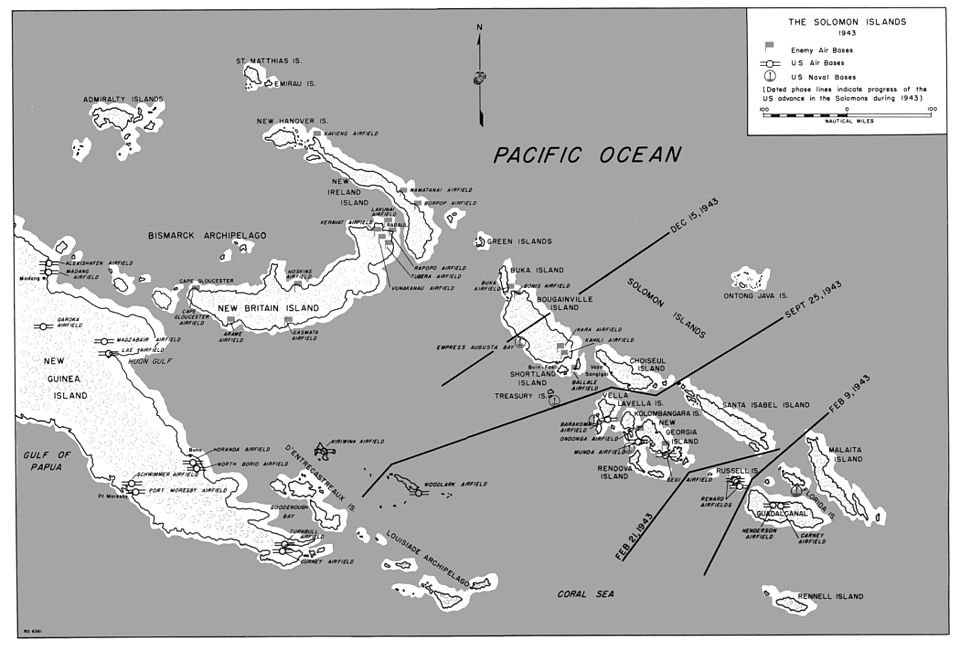
(World War II, the Pacific War)
History. The islands were discovered in 1568 by the Spanish navigator Álvaro Mendaña de Neyra. The Solomon Islands were divided between Germany (the northern islands, from 1885) and Great Britain (the southern islands, 1893). Between 1898 and 1900, Germany transferred some of the islands to Great Britain, which established a protectorate over them. The islands of Bougainville and Buka, which remained in German hands, became part of the German protectorate of German New Guinea. During World War II (in 1942), the islands were under Japanese occupation. Some of the fiercest fighting in the Pacific took place there. In 1943–1944, American forces drove the Japanese out of most of the archipelago. The islands were granted internal autonomy in 1976 and gained independence on July 7, 1978, though they remained within the British Commonwealth. As a sovereign state, the Solomon Islands faced serious difficulties caused by widespread corruption and a growing budget deficit. A breakdown in the country’s normal functioning sparked social unrest. In July 2003, the Governor-General of the Solomon Islands requested international assistance. A month later, 2,200 police officers from over 20 Pacific nations—led by Australia and New Zealand—arrived in the islands. On April 1, 2007, the islands were struck by a double earthquake and a tsunami.
Demographics. The indigenous population (Solomon Islanders, a Melanesian subgroup) accounts for 93%, Polynesians for 4%, and Micronesians for 1.5%; the majority of believers are Protestants (75.7%) and Catholics (19.1%). Over 80 different Melanesian languages are spoken, alongside Neo-Solomonic, which serves as the *lingua franca*. Between 1985 and 1992, the average annual population growth rate was 3.5%. The rate of natural increase is 27.6‰ (birth rate 31.6‰, death rate 4‰, fertility rate 4.2 in 2004). Children make up 42% of the total population, while 4.9% are over the age of 59. The urban population stands at 19%.
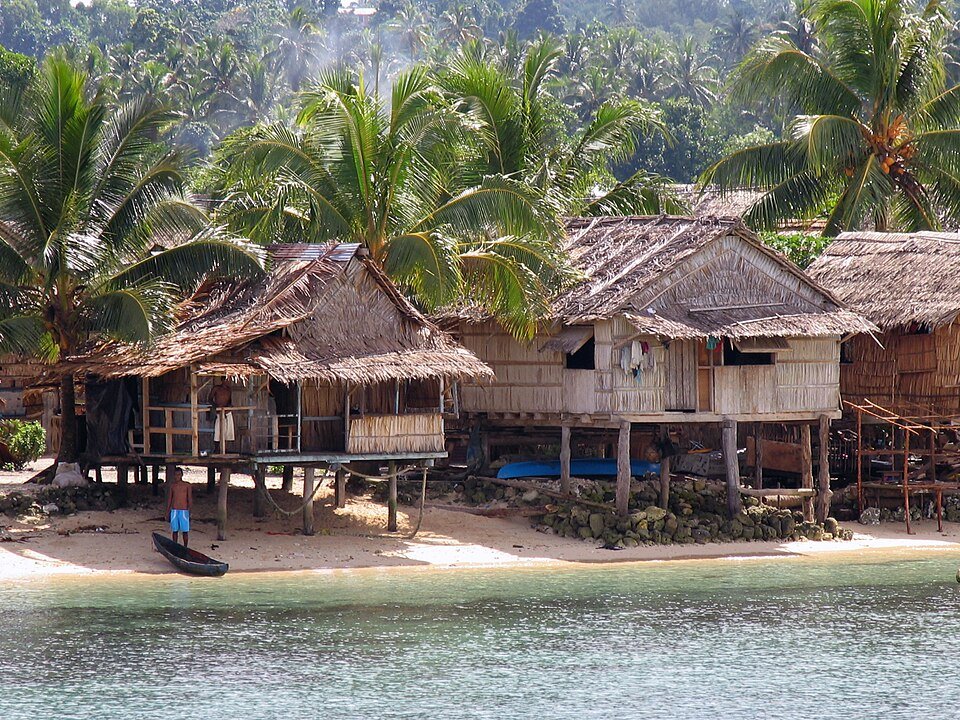
Economy. The Solomon Islands is a developing country with a market economy. It receives significant foreign aid (primarily from Australia and Japan). Agriculture accounts for 48% of the gross domestic product (services 40%, industry 9%).
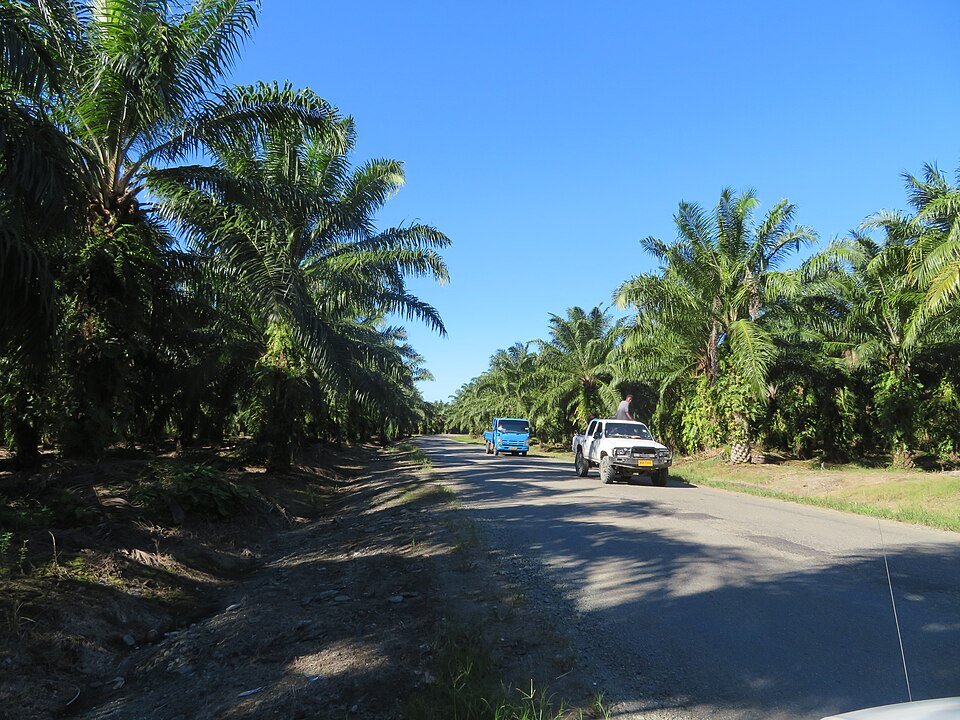
Agriculture. Key crops: coconut palm (2018: 386,258 tonnes of coconuts), cacao, sweet potatoes, taro (2020: 44,862 tonnes), yams (2020: 46,029 tonnes), rice (2020: 2,745 tonnes), oil palm, as well as cassava, vegetables, and fruit trees. Crop harvests (2000): root and tuber crops 105, coconuts 230, oil palm seeds 5, cocoa 3. Marine fishing focuses mainly on tuna and bonito. Timber (primarily ebony and sandalwood) is also harvested.
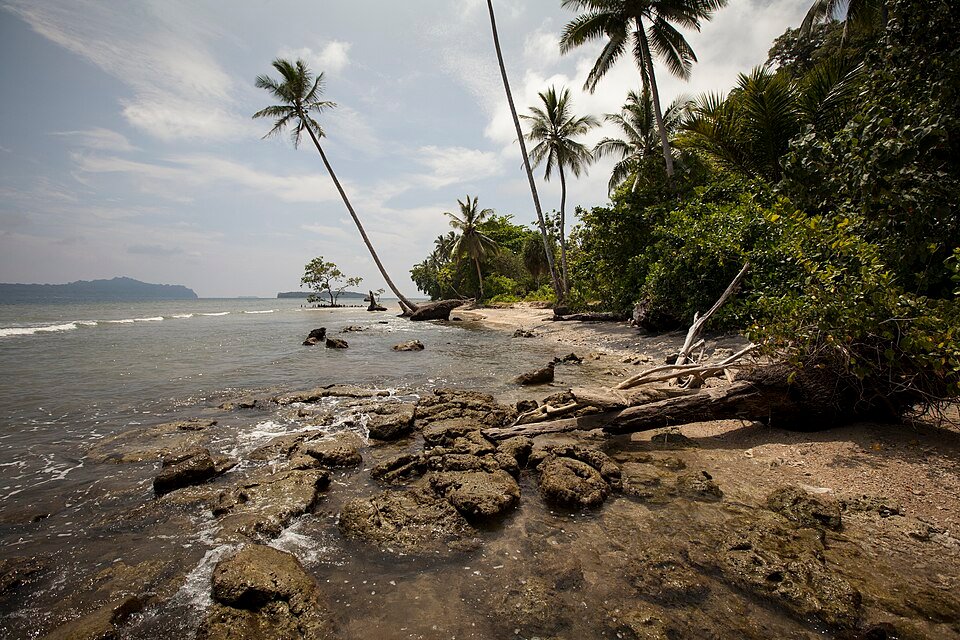
Tourism. The Solomon Islands are rarely visited. According to World Tourism Organization data, the country was visited by approximately 26,000 tourists in 2017 (mainly from Australia, the Marshall Islands, and New Zealand).
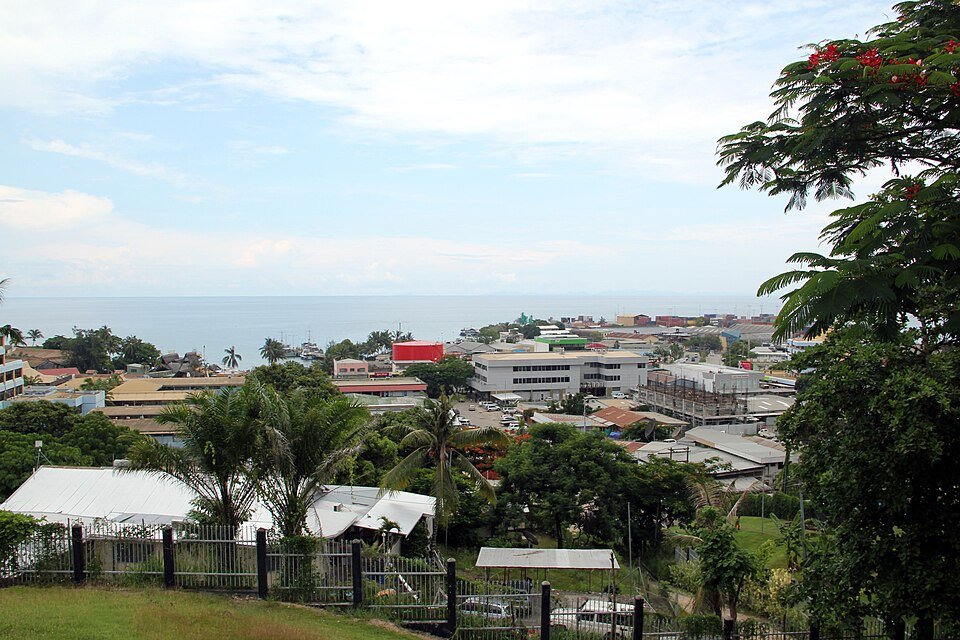
Transport. The road network spans approximately 1,300 km, with an additional 800 km of private roads serving plantations. Major seaports include Honiara, Yandina, and Gizo. A new deep-water port at Noro (in New Georgia) is under construction. International air travel is served by Henderson Airport, alongside 25 domestic airports. A satellite ground station has been in operation since 1979.
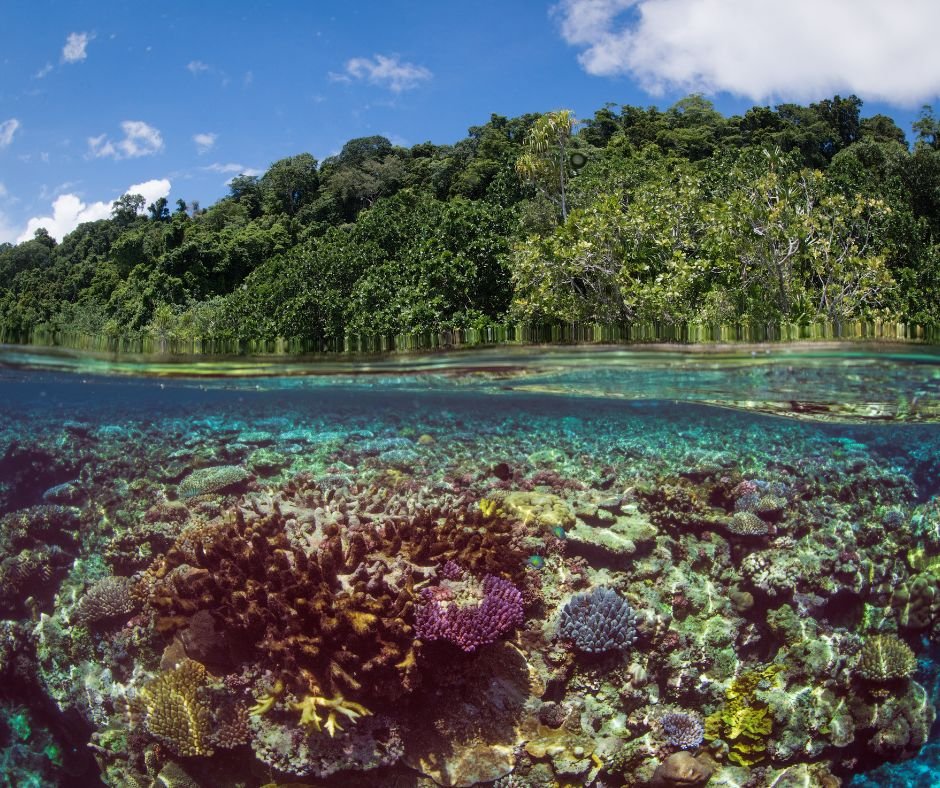
The natural environment and landscapes of the Solomon Islands are among the most valuable and pristine in all of Oceania. Located in Melanesia and comprising nearly 1,000 islands—including six major ones: Guadalcanal, Malaita, Choiseul, New Georgia, San Cristobal, and Santa Isabel—the archipelago captivates with its mountainous terrain, virgin rainforests, and spectacular underwater life.
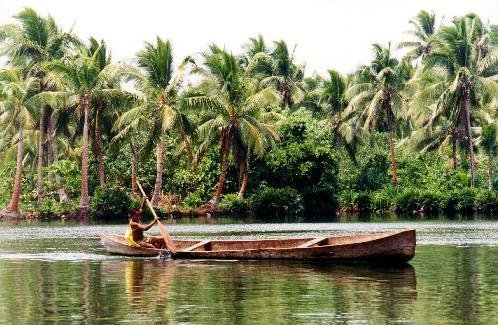
Culture and tourism. The Solomon Islands are one of the most fascinating and still-wild nations in Oceania, situated in the eastern part of Melanesia, east of New Guinea. The archipelago comprises nearly a thousand islands that attract travelers with authentic tribal culture, unspoiled nature, and spectacular diving sites.